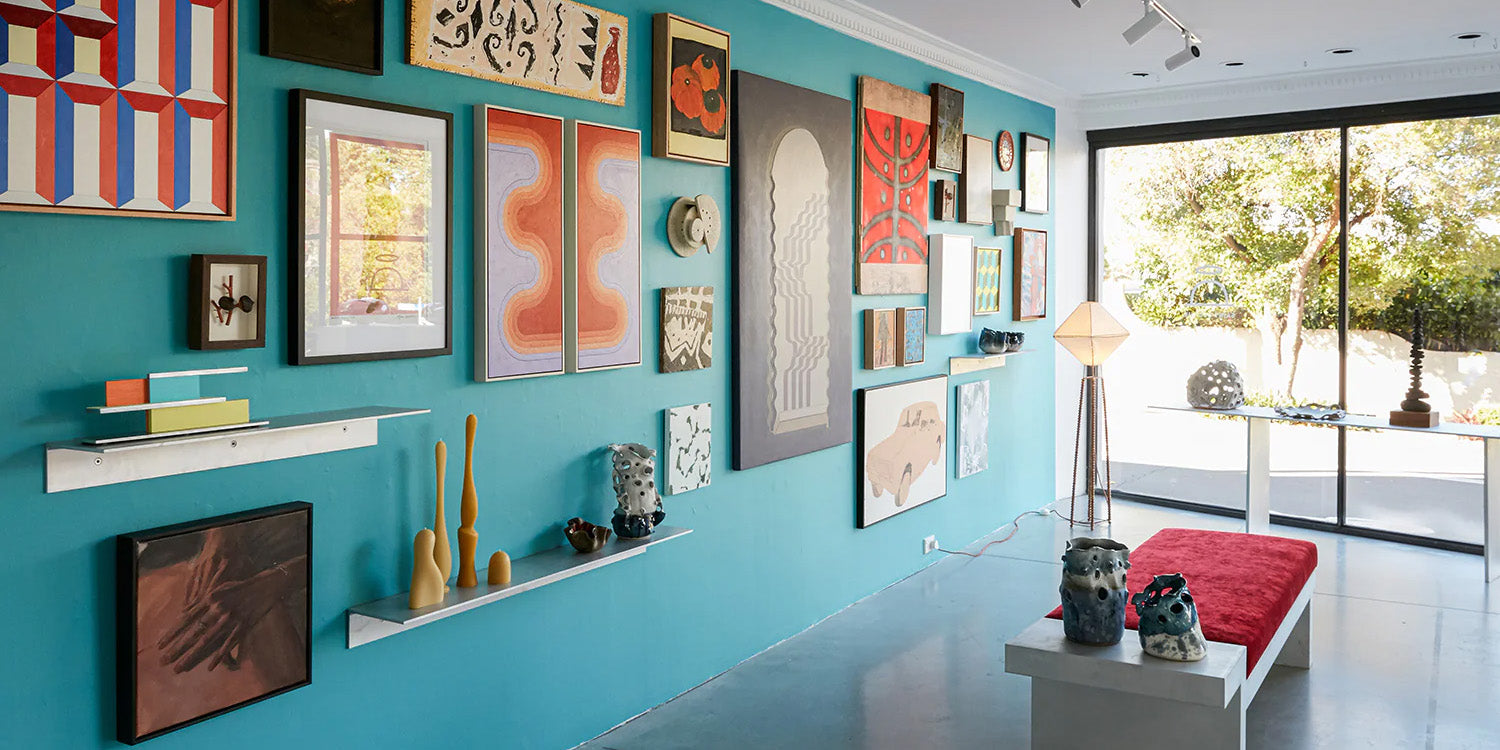
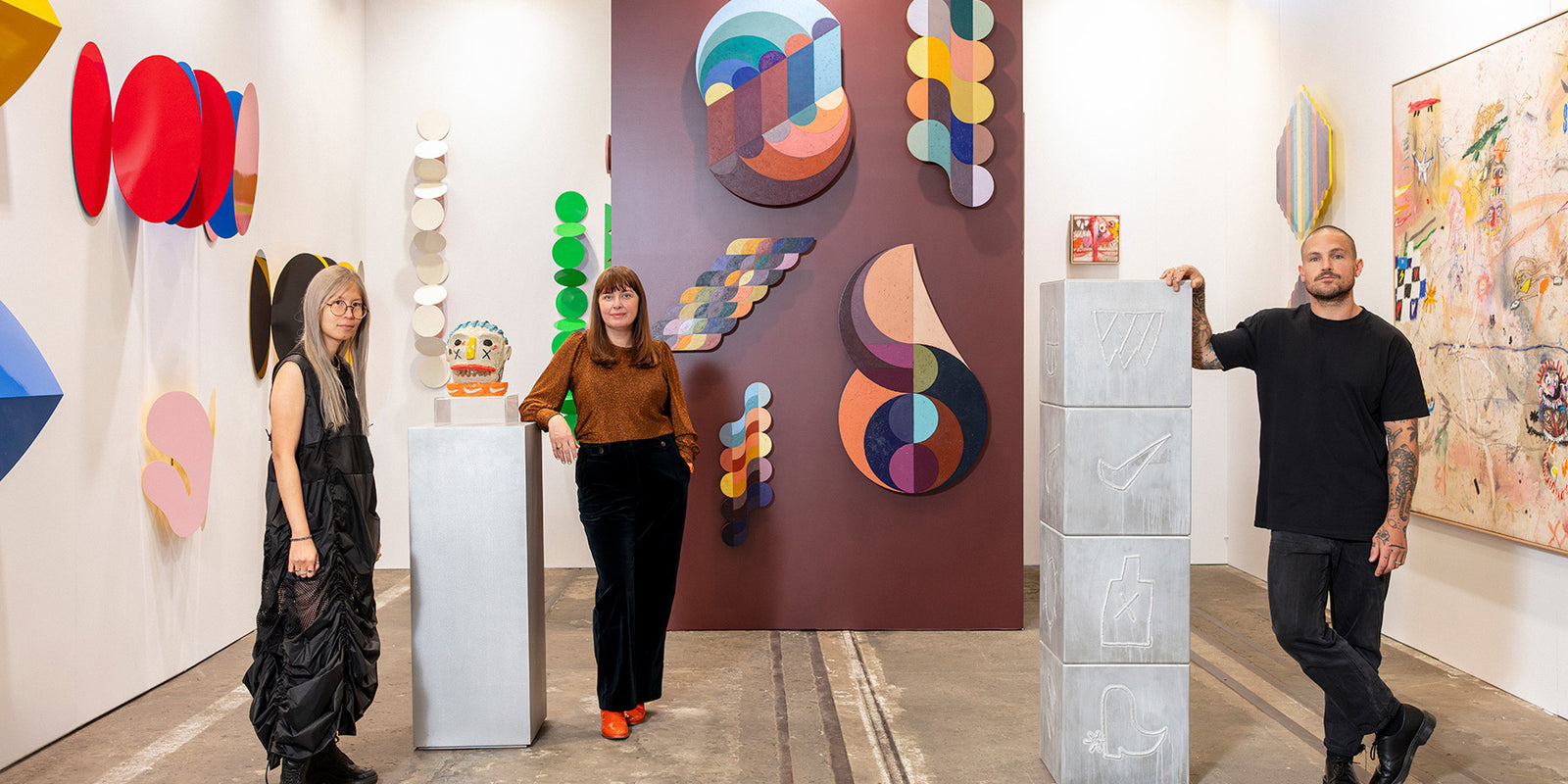
Saint Cloche is delighted to present What the Hand Remembers, an exhibition unfolding between the practices of Leanne Xiu Williams and Sibylla Robertson through memory, materiality, and the physical act of making.
What the Hand Remembers brings together the practices of Billie Robertson and Leanne Xiu Williams in a shared exploration of memory and its materiality. Memory persists in fragments, what emerges is never stable, but sensory, affective and unresolved. Mediated through image and object, Robertson and Williams treat material as a site where memory is enacted, layered and reconstituted through physical engagement.
Robertson’s playful experimentation with ceramic and glass objects engage with memory as a shifting and elusory subject, emphasising forms that resist definition. Like memory, they transform through repetition and reiteration. This exhibition includes a recent body of glass work that extends Robertson’s ongoing interest in material led process. As an amorphous material, glass occupies a liminal state, neither fully solid nor liquid, suspended in a condition of slow movement and continual becoming. Robertson draws on this material ambiguity to consider memory as similarly unstable, fluid, distorted and difficult to contain.
Throughout the exhibition, glass mimics the language of ceramic forms: vessels appear warped, softened or partially dissolved, as though recalled imperfectly through time. The hand attempts to grasp and physically manifest what the mind cannot fully hold onto, repeating gestures in search of something lingering beyond articulation.
Williams’ works across oil paintings on linen, aluminium framed panels and porcelain foreground the image as a physical object, emphasising how meaning is produced through the material process of making and engaging with the visual. By repeating, cropping and interrupting her subjects, Williams highlights how recollection is shaped through selection and translation. These forms often hover at the edge of recognition, where colour operates as an affective force, rendering the familiar as something distorted or surreal.
In painting, the hand performs an act of remembering; gesture and interpretation become the means through which subjective history is embodied. This body of work brings together paintings developed during the Studio Kura residency in Fukuoka with recent studio research from her MFA. Notably, her works on porcelain were developed in direct dialogue with Robertson’s practice, marking a material convergence specifically for this exhibition.